


Treatment of Baby Tooth Cavities
Early treatment of baby tooth cavities is fundamental for the health of children! Specialists at the ID Dent clinic in Kyiv know how to treat baby teeth effectively, painlessly, and without stress. Come visit us at our clinic!
| Treatment Result | healthy baby teeth |
| Treatment Methods | preparation, antiseptic treatment, filling |
| Number of Visits | individually |
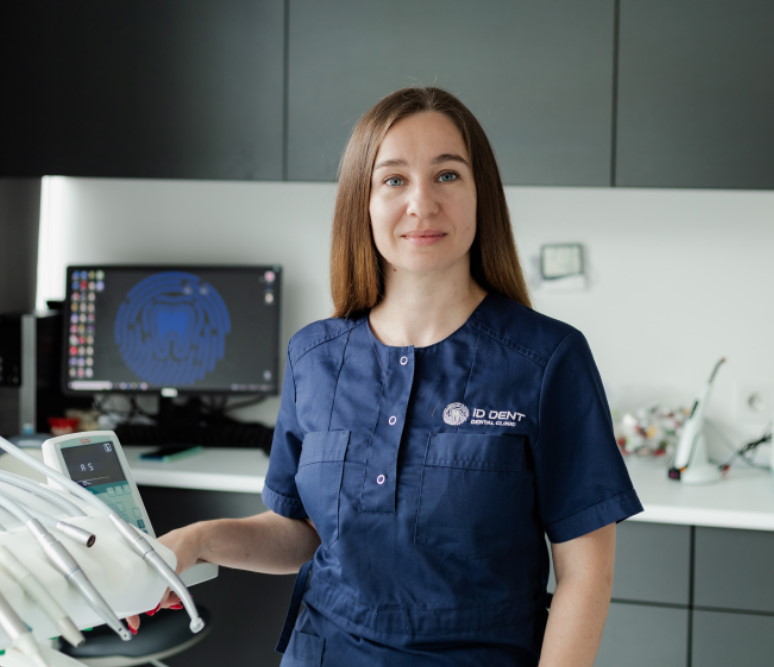
Treating baby tooth cavities is a crucial step in forming a healthy dental system. Many parents neglect visiting a clinic, thinking that the teeth will be replaced by permanent ones, and everything will resolve on its own.... Read more
Treating baby tooth cavities is a crucial step in forming a healthy dental system. Many parents neglect visiting a clinic, thinking that the teeth will be replaced by permanent ones, and everything will resolve on its own. However, this approach is absolutely wrong. Baby teeth can develop cavities and other diseases that may lead to future complications.
At the ID Dent clinic in Kyiv, on Lesnoy Avenue, we provide high-quality treatment for baby tooth cavities using modern methods and quality materials. Our specialists conduct diagnostics, select the optimal treatment method, and know how to interact with our youngest patients effectively. We guarantee maximum comfort for the child during the procedure and effective treatment of baby teeth.
-

-

-

-
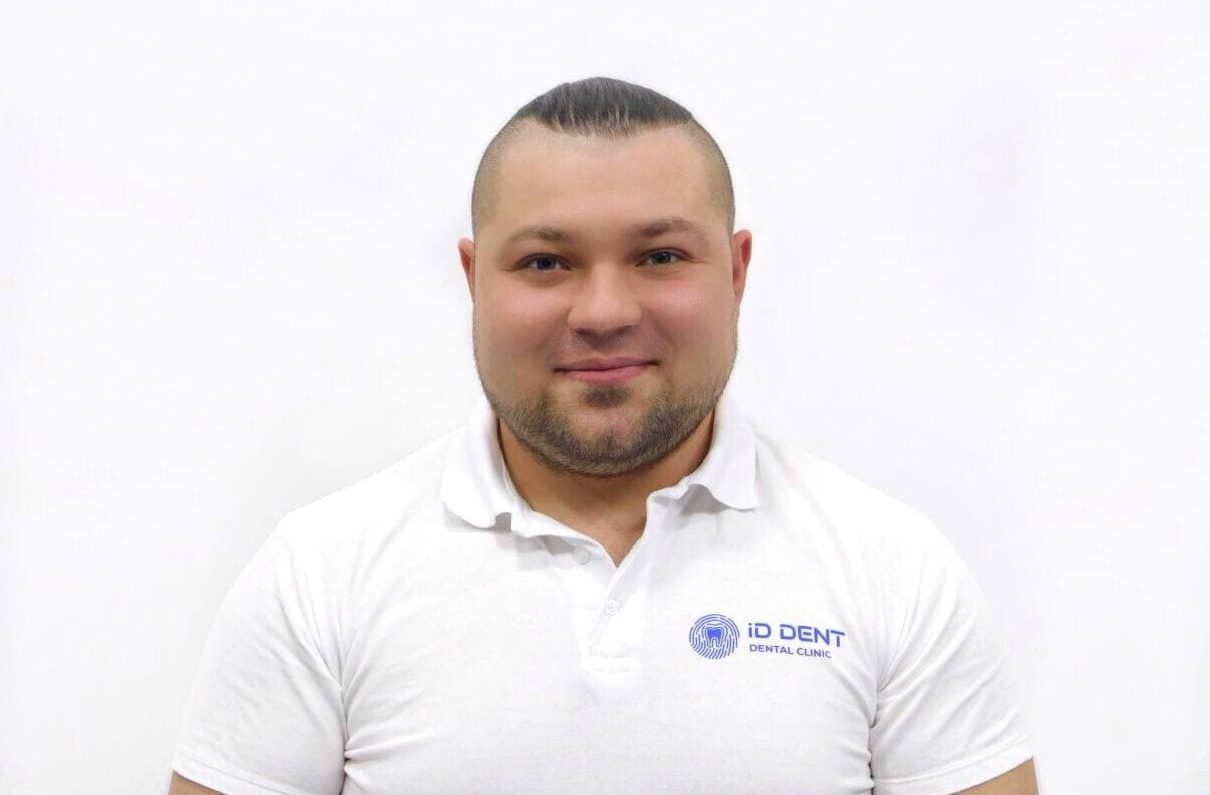
 ⠀ Broev Vladimir Rafaelovich
Головний лікар клініки; лікар-стоматолог загального профілю; стоматолог-хірург
Sign up

Neglecting the presence of dental caries in baby teeth and its complications in a child can lead to the development of an inflammatory process in the periodontium and pathological changes in the permanent tooth buds. This can result not only in impaired formation of permanent tooth tissues but also in the displacement of their buds, followed by abnormal eruption and the formation of dentofacial deformities. Therefore, prevention and timely treatment of caries in baby teeth are extremely important.
Chukhrai N. L.Caries of baby teeth in preschool and primary school children // Ukrainian Dental Almanac. – 2010. – No. 2 (2). – pp. 57-60.
Treatment of baby tooth decay: the importance of early dental visits
A child’s dental health is not just about a beautiful smile, but also about the full development of the entire body. Many parents mistakenly think that baby teeth do not need to be treated because they will eventually be replaced by permanent ones. However, dentists assure that treating caries in baby teeth is just as important as in adults. Untimely visits to the doctor can lead to complications, bite disorders, and jaw formation problems. At the ID Dent dental clinic in the Lisovyi district of Kyiv, pediatric dentists select the optimal treatment method depending on the child’s age and the stage of the disease. Here, parents receive professional consultation and the assurance that the treatment will be painless and high-quality.
Causes of baby tooth decay
The main factors provoking the development of caries in children:
- insufficient oral hygiene;
- excessive consumption of sweets and carbonated drinks;
- weak mineralization of baby tooth enamel;
- hereditary predisposition;
- frequent night feedings and consumption of sweetened juices.
By understanding the causes, a dentist can develop preventive measures and provide recommendations that will help keep a child’s teeth healthy for longer.
Symptoms and diagnosis of baby teeth
The first signs of caries are not always easy to notice. Parents should pay attention to these symptoms:
- appearance of white or dark spots on the teeth;
- bad breath;
- the child complaining of pain while chewing;
- increased sensitivity to cold or sweet foods.
Diagnosis is performed by a dentist through a visual examination, and sometimes an X-ray is used additionally. It is important not to postpone the consultation: the sooner the problem is detected, the easier and less expensive the treatment will be.
Why is it important to treat baby tooth decay?
Despite their temporary nature, baby teeth play a key role. They preserve space for future permanent teeth and participate in speech formation and proper bite development.
If the disease is neglected, the following consequences are possible:
- gum and surrounding tissue inflammation;
- development of pulpitis and periodontitis;
- damage to permanent tooth buds;
- psychological discomfort for the child.
Therefore, treating caries in children is an important step in caring for a child’s health. Seeking timely dental care helps avoid pain, complications, and the need for complex treatment in the future. In addition, healthy baby teeth contribute to normal food chewing and full jaw development. Proper care and regular visits to the doctor foster a positive attitude toward dentistry in the child and lay the foundation for a lifetime of healthy permanent teeth.
Methods of treating baby tooth decay
Various treatment methods are used in modern dentistry:
- Silvering – used in the early stages in young children, helps to stop the development of caries.
- Ozone therapy – a gentle method that disinfects the tooth surface and prevents further destruction.
- Sealing – reliable prevention where baby tooth fissures are filled with a special material.
- Classical filling – used for medium and deep decay. Modern, child-safe materials are used.
- Deep baby tooth decay treatment – in complex cases, the carious cavity is treated, followed by the installation of a filling or a crown.
For clarity, let’s look at the table. It will help parents understand which treatment methods are used depending on the child’s age and the degree of tooth damage.
| Treatment method | Child’s age / Caries stage | Goal and procedure features | Advantages |
| Silvering | Early age, initial stage | Coating the tooth with a silver solution to stop caries development | Quick, painless, suitable for young children |
| Ozone therapy | Any age, early stages | Treating the tooth with ozone for disinfection and preventing enamel destruction | Gentle, painless method, no drill required |
| Fissure sealing | Prevention for children aged 5–6 | Filling the depressions on chewing teeth with a special sealant | Prevents decay, strengthens enamel |
| Classical filling | Medium and deep caries | Removal of affected tissues and installation of a children’s filling | Durable and aesthetic tooth restoration, safe materials |
| Deep baby tooth decay treatment | Late stages, complicated cases | Cavity treatment with a therapeutic liner installation followed by restoration | Saves the tooth, prevents pulpitis and inflammation |
The choice of method depends on the child’s age, disease stage, and dentist’s recommendations. Correctly selected tactics allow saving the live tooth, preventing complications, and providing comfortable, pain-free, and stress-free treatment. ID Dent doctors use only modern and safe technologies suitable even for the youngest patients. This approach helps keep baby teeth healthy until natural replacement and protects permanent tooth buds.
Stages of baby tooth decay treatment
Treatment at the ID Dent clinic is carried out in stages to ensure comfort and total safety for the little patient. Each step is carefully thought out taking into account the child’s age, the degree of tooth damage, and anxiety level. Doctors pay special attention to gentle communication and a friendly atmosphere so that the visit to the dentist is associated only with positive emotions by the child. Thanks to this approach, the process becomes not only painless but also educational – the small patient learns to care for their teeth from an early age.
Treatment at the ID Dent clinic is carried out in stages:
- Consultation with the doctor and determination of indications or contraindications.
- Preparation of the child: psychological adaptation, choice of anesthesia method.
- Cleaning the affected area of the tooth.
- Processing and filling.
- Follow-up check and care recommendations.
Such an approach helps children tolerate treatment better and build trust in dentistry. After the procedure is finished, the doctor explains the rules for caring for teeth and gums to the parents in detail to exclude the reappearance of caries. Regular preventive check-ups allow noticing the slightest changes in time and keeping oral health. As a result, the child is not afraid of the dentist, and visits to the clinic become a natural part of health care.
How is the price for treating baby tooth decay formed?
The cost depends on many factors:
- complexity of the clinical case;
- number of affected teeth;
- materials and methods used;
- doctor’s experience and qualifications;
- need for additional procedures.
The price for treating baby tooth decay is formed transparently. At the private clinic ID Dent, parents receive a clear price list and the possibility to choose the optimal solution without hidden costs.
Treatment of baby tooth decay at the ID Dent clinic
ID Dent is a modern dental center on the Left Bank of Kyiv, next to Lisova and Chernihivska metro stations. We specialize in treating decay in baby and permanent teeth in children using safe and painless methods. The reasons why parents choose our clinic are individual approach and psychological support for the child, modern technologies and materials, experienced dentists, and convenient location in the Lisovyi district. We offer professional consultation and effective treatment for baby tooth decay in young children and teenagers. The ID Dent clinic has a democratic pricing policy for Kyiv, making treatment affordable for families with different budgets.
Frequently asked Questions
How much does the treatment of baby tooth decay cost at the ID Dent clinic?
The cost of treating baby tooth decay at the ID Dent clinic depends on the chosen method (silvering, ozone therapy, filling), the degree of tooth damage, materials, and the complexity of the case. To find out the exact price, you can book a consultation. The doctor will assess the child's condition and provide an individual price estimate.
Why is it important to treat baby tooth decay?
Treating baby tooth decay is important to prevent infections, preserve space for permanent teeth, and maintain overall oral health.
At what age does decay most often appear in baby teeth?
Decay can appear in children as early as 1–2 years of age, especially if proper oral hygiene is not maintained and there is a high intake of sweets.
How can you recognize tooth decay in a child's baby teeth?
Signs include the appearance of white or brown spots on the teeth, sensitivity to cold and hot food, as well as bad breath.
What methods exist for treating baby tooth decay?
Treatment includes fillings, silvering of teeth, fluoridation, and, in rare cases, tooth extraction in the event of severe damage.
Can baby tooth decay be prevented?
Yes, regular brushing, the use of fluoride-containing toothpastes, limiting sweets, and regular visits to the dentist will help prevent tooth decay.
Is filling a child's baby teeth safe?
Filling baby teeth is safe and helps preserve the tooth until it naturally falls out to be replaced by a permanent one, preventing complications.
How to care for baby teeth after caries treatment?
Care includes regular tooth brushing, the use of fluoride-containing toothpaste, and limiting sugary drinks and food.
Can decay on baby teeth affect permanent teeth?
Yes, if caries are not treated, they can spread to the buds of permanent teeth and lead to serious problems in the future.